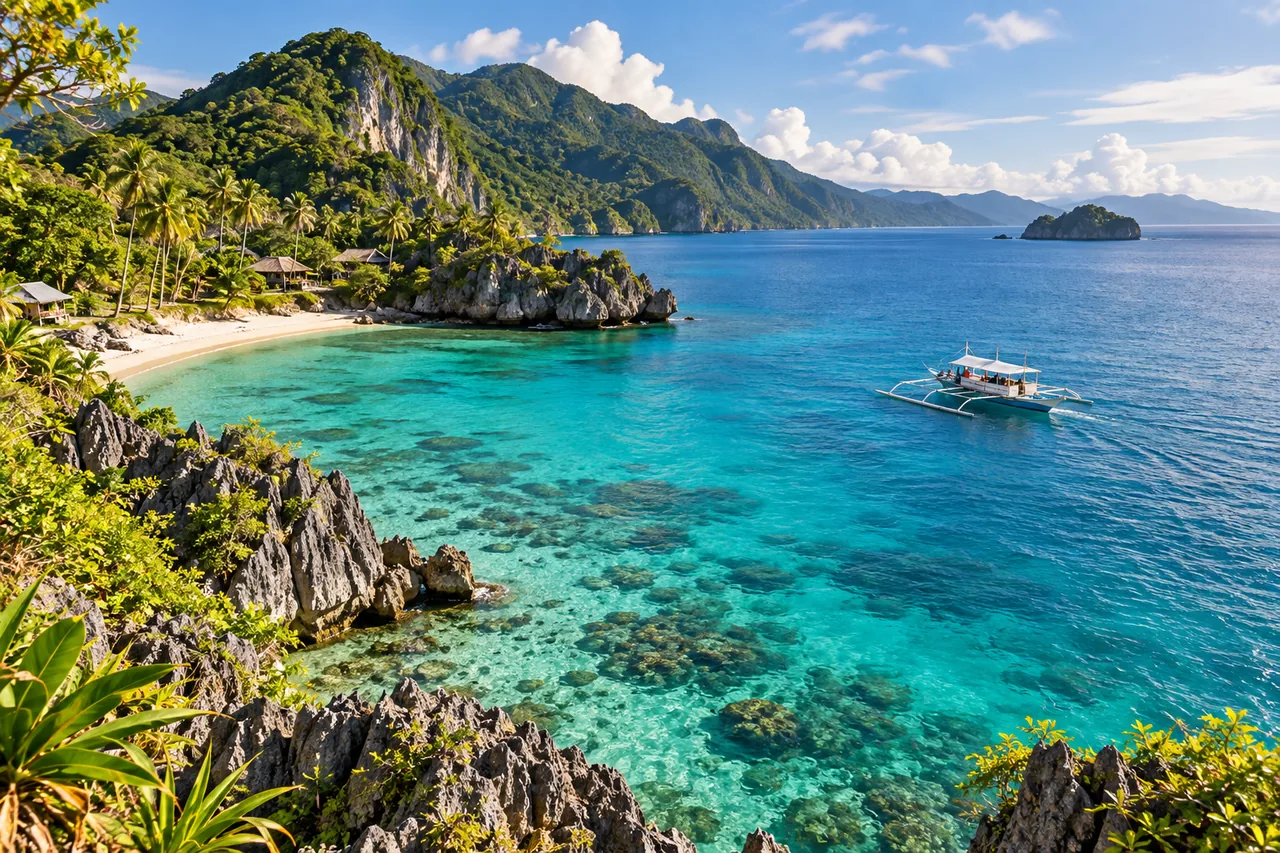
 Philippines
Destinations · destination research
Cebu Guide for First-Time Visitors
An unhurried first Cebu itinerary: choose a base, balance city and coast, and plan meetings with room to breathe.
 Philippines / DESTINATION NOTES
Cebu is both an urban gateway and a large island. Decide whether your trip is about city history, coastal days or a longer journey across the province before you choose a base.
Begin with a walkable cluster of heritage stops rather than crossing the metro for a checklist.
Treat a coastal excursion as a full outing, with travel time and weather built into the plan.
The best location is the one that shortens the journeys you actually intend to make.
Cebu gives a first-time visitor a way to combine city life with a wider island trip. Cebu City has historic landmarks and everyday neighborhoods; the province beyond it offers different coastal landscapes. Those experiences are separated by real travel time, so a good itinerary chooses a few and leaves room for the journey between them.
Think of Cebu as a region rather than one beach destination. A traveler staying in the city and a traveler staying near a coastal activity will have very different days, even if both say they are visiting Cebu.
A city day might pair a heritage area with a meal and a slower afternoon. A coastal day needs an earlier start and a clear plan for returning; conditions and connections can change. If an island excursion is the central reason for your visit, compare the departure point with your accommodation before booking.
Avoid stacking several far-apart sites into one day. The reward of a longer Cebu stay is the chance to see one place properly and still have time to talk, eat and rest.
Choose a city base if your plans center on meetings, museums and onward connections. Choose a base closer to the coast if that is where most of your time will be spent. Check the route at the time of day you expect to travel, not just the distance on a map.
When meeting someone new, keep your own accommodation and an independent way back. A shared first outing can be simple and public without making either person responsible for the other’s whole trip.
Cebu is often associated with lechon, but one famous dish is only a small part of a region’s food life. Ask someone local what they personally enjoy, check dietary needs and leave space for an unplanned meal. A relaxed lunch can tell you more about the place than a rushed sequence of restaurant stops.
Allow separate blocks for city movement and journeys farther across the island. Build a buffer before flights or ferries, and check the current operator and weather information close to travel. A short stay is best kept focused on one base; add another area only when the extra travel has a clear purpose.
For a first meeting, select a public venue both people can reach easily. Agree on a start and finish plan, tell someone you trust where you will be, and leave the rest of the day flexible.
For a short visit, let the first full day belong to the city or the area around your accommodation. Use the next day for one coastal plan only if the transfer and return make sense. A third day can be flexible: revisit a place you liked, meet someone again or move onward without rushing.
This shape protects you from losing the trip to transport. It also leaves room for a new connection to develop without expecting a local person to be available for every hour.
Schedules, transport and site access change. Check current official information when planning.
PhilippinesAn unhurried first Cebu itinerary: choose a base, balance city and coast, and plan meetings with room to breathe.
 Philippines
Plan a first Philippines trip with a realistic island itinerary, thoughtful accommodation choices and room for cultural discovery.
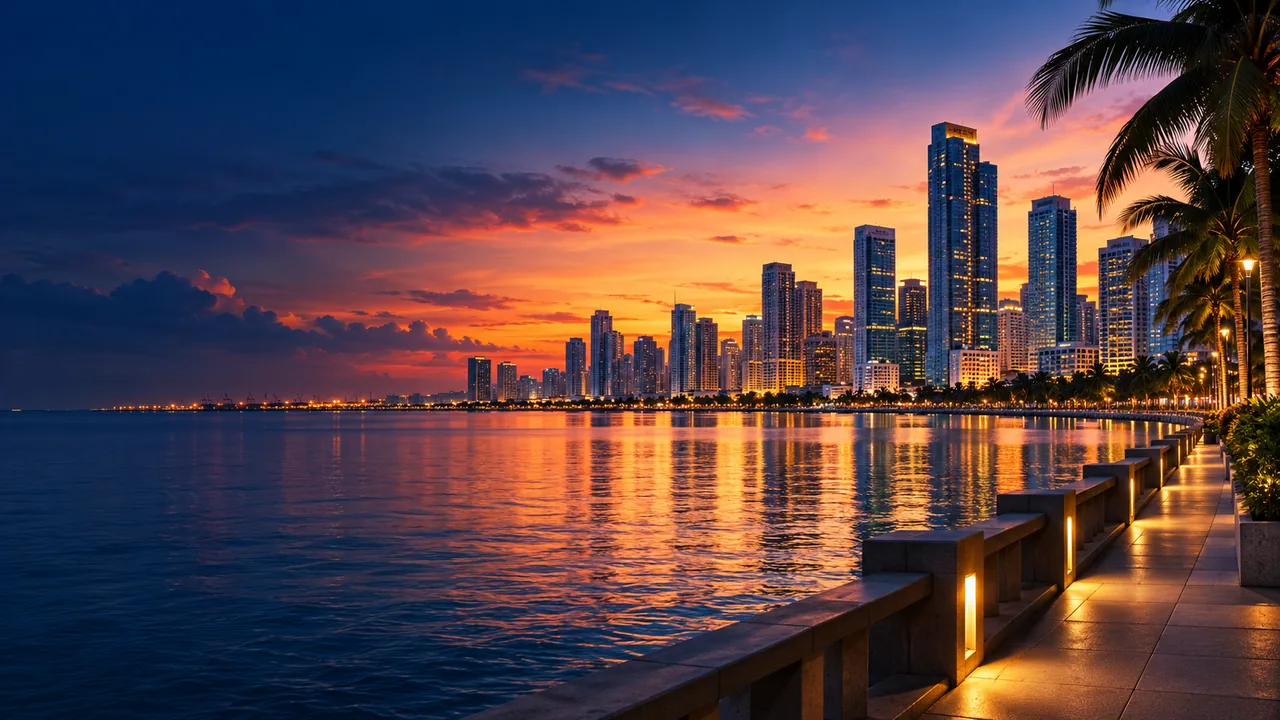 Philippines
Understand dating in the Philippines through communication, personal expectations, family context and respectful first meetings.