 Vietnam
Travel Planning · trip planning
Vietnam Travel Guide for First-Time Visitors
Plan a first Vietnam trip by region, with realistic travel days, thoughtful accommodation and cultural curiosity.
 Vietnam / DESTINATION NOTES
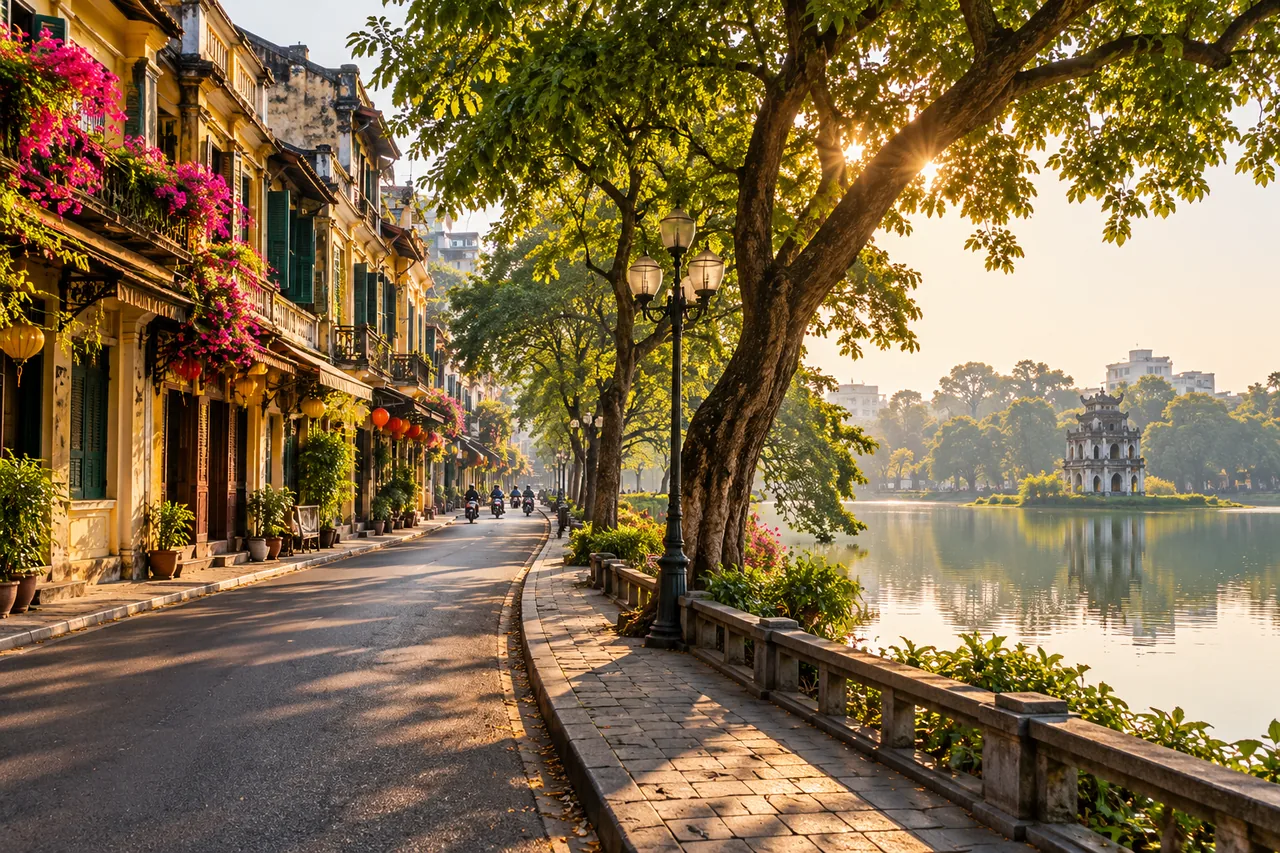
Hanoi’s lake, old streets and layered daily life reward a walking pace. Choose a small area to understand before adding another stop across the city.
Use the lake as an orientation point for a gentle first walk.
Notice street life at a human pace, with care for traffic and residents.
Leave time for a meal without surrounding it with too many timed stops.
Hoan Kiem Lake is a useful orientation point for a first Hanoi walk. From there, the Old Quarter offers narrow streets, shopfronts and ordinary city routines. Give yourself room to pause. A plan focused on a few blocks will often feel richer than one that crosses the city repeatedly.
Hanoi is an active city, not a heritage set. Pay attention at crossings, respect residents’ space and choose moments to photograph thoughtfully.
Choose a morning area, a meal and one further stop. If a museum or cultural site matters to you, check its current visitor guidance and make it the anchor of that day. Leave other possibilities optional so heat, rain or a good conversation can change the plan.
A longer stay can bring in different neighborhoods or a dedicated excursion. An onward journey should have its own time rather than being squeezed after an ambitious sightseeing day.
A central base can make a walking trip easier, but comfort depends on the specific street and your tolerance for city noise. Compare actual routes to the areas you expect to visit. Check recent accommodation details rather than relying on a general neighborhood reputation.
Food is a strong way into Hanoi. Ask a local companion what they enjoy, check dietary needs and make the meal a shared choice. A relaxed stop is often more memorable than following a rigid list.
Set aside time for airport and intercity transfers, and verify current services before departure. Keep a flexible weather option. For a first meeting, agree on a familiar public place both people can find, travel independently and maintain your own accommodation.
Two or three full days support an initial city introduction without requiring a packed schedule. More time gives you the freedom to revisit an area you liked or spend longer with someone you meet.
An initial walk can help you learn the distance between your accommodation, the lake and the streets you want to explore. On a second day, choose a new area or return to a place you passed too quickly. Repetition is useful: the same street can feel different at another hour, and you will spend less energy finding your bearings.
If you want to add a cultural site, look up its current visitor rules and build a modest route around it. Do not let one famous stop force a series of rushed crossings. Keep food, rest and conversation in the plan as experiences rather than gaps between attractions.
For an in-person meeting, propose a clear public venue and time. Ask whether the other person would prefer a shorter first conversation, then let future plans follow what you both learn in person.
Schedules, transport and site access change. Check current official information when planning.
VietnamPlan a first Vietnam trip by region, with realistic travel days, thoughtful accommodation and cultural curiosity.
 Vietnam
A respectful guide to dating in Vietnam, focused on individual expectations, communication, family context and first meetings.